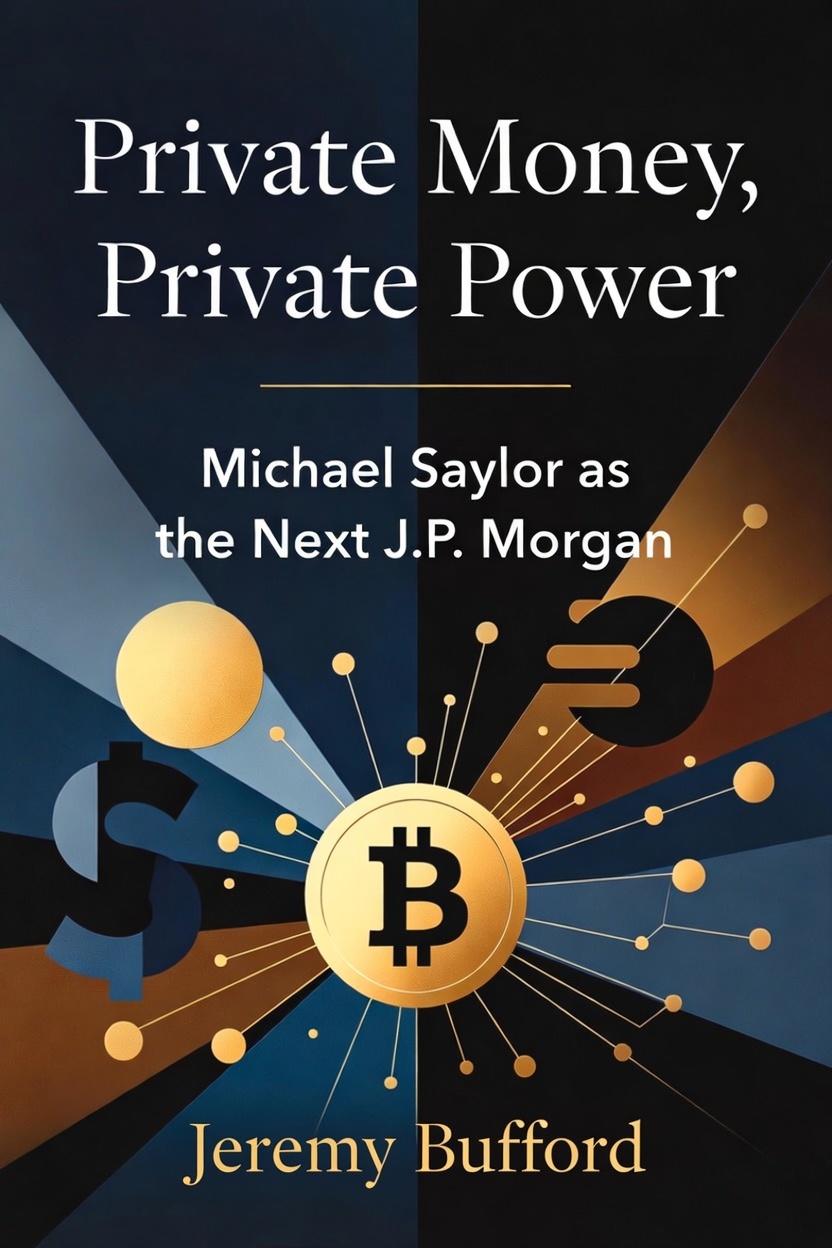
Private Money, Private PowerAvailable now
Official link • Secure checkout on Amazon

About this book
Every major monetary crisis in American history has followed the same quiet script.
It begins with the government creating far more money than the real economy can absorb. Whether it was the unbacked greenbacks of the Civil War, the silver purchases of the 1890s, or the trillions printed during the pandemic years, the pattern is identical: excess money creation produces instability, erodes confidence, and drives political division so deep that the official institutions cannot agree on a remedy.
Then comes the second act. The Treasury and the Federal Reserve — institutions formally charged with managing the fallout — discover they are constrained. The Federal Reserve, long presented as an independent guardian of monetary stability, has in practice served the interests of the largest banks and financial asset owners. Its leadership rotates through Wall Street boardrooms. Its policies have consistently protected the balance sheets of those who already hold the most. When genuine crisis arrives, political pressure intensifies, public trust collapses, and decisive action becomes impossible.
Into that vacuum steps private power.